DROOGIE HONEY

Droogie honey

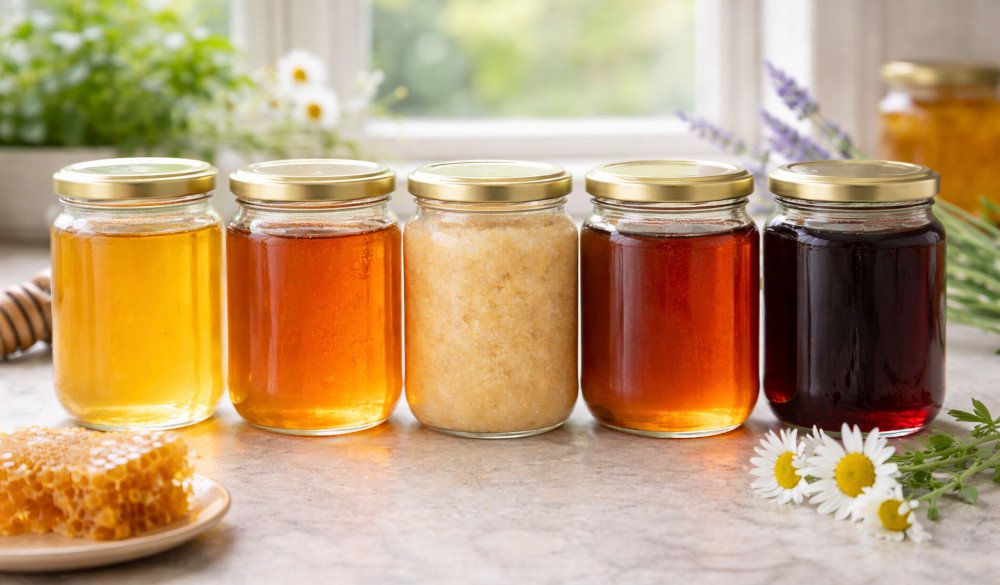
What Is “Droogie” Honey? Origin and Qualities “Droogie” honey (often written Drooge or dróógie) refers to honey made primarily from the nectar of the Drogie bush, botanical name Scutia myrtina. The name is derived from the Afrikaans “droog-my-keel” (“dry my throat”) – a reference to the prickly, bitter berries the plant bears. This honey is … Read more

THREE TYPES OF SOUTH AFRICAN HONEY

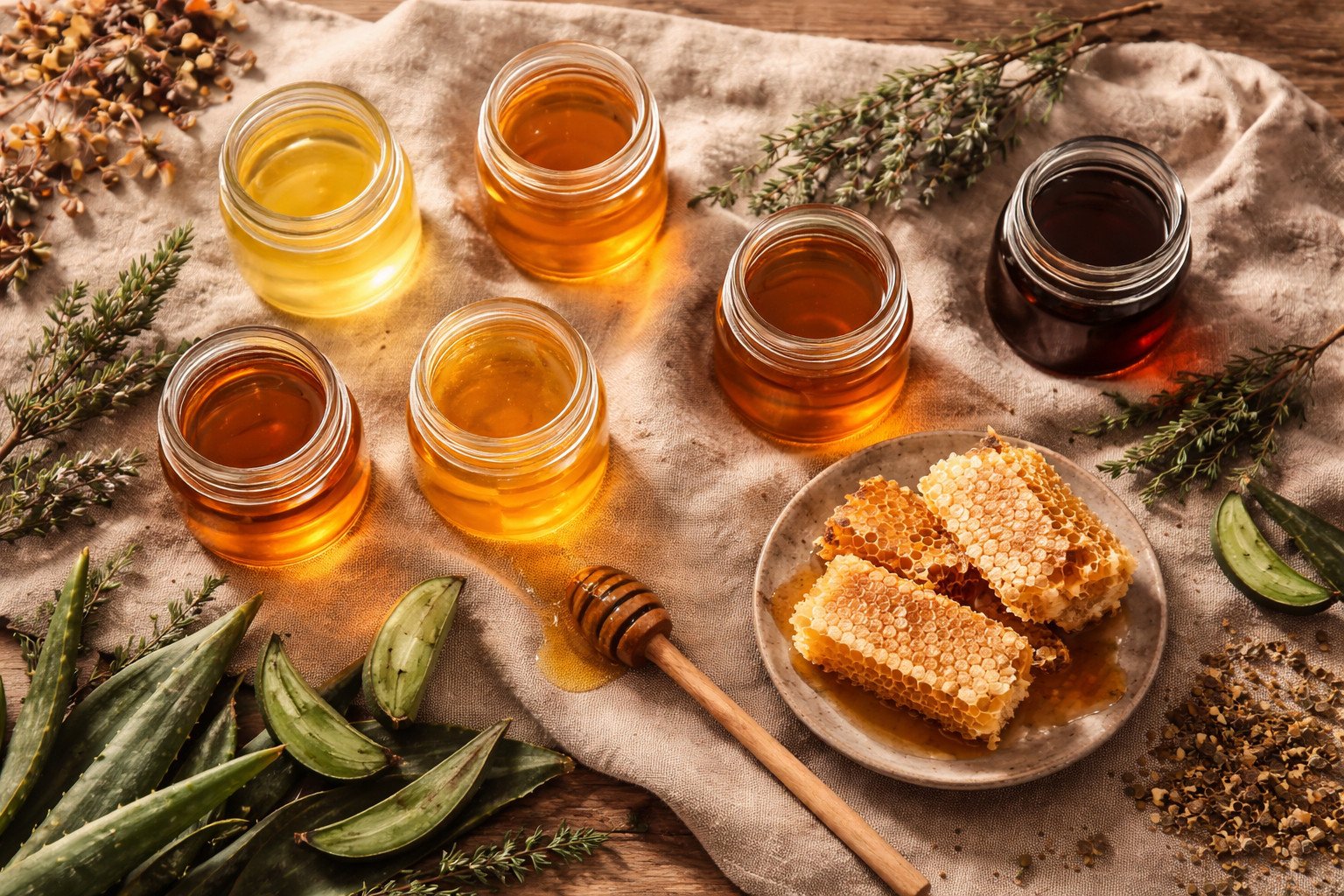
Three Types of South African Raw Honey South Africa’s diverse landscapes and climates produce many unique raw honeys. Among them, droogie honey, orange blossom honey, and Namaqua honey stand out for their distinct floral sources, flavours, and uses. This article compares these three honeys, helping consumers, health enthusiasts, and beekeepers understand their characteristics and benefits. … Read more

HOW HONEYBEE COLONIES COORDINATE BEHAVIOUR

How Honeybee Colonies Coordinate Behaviour

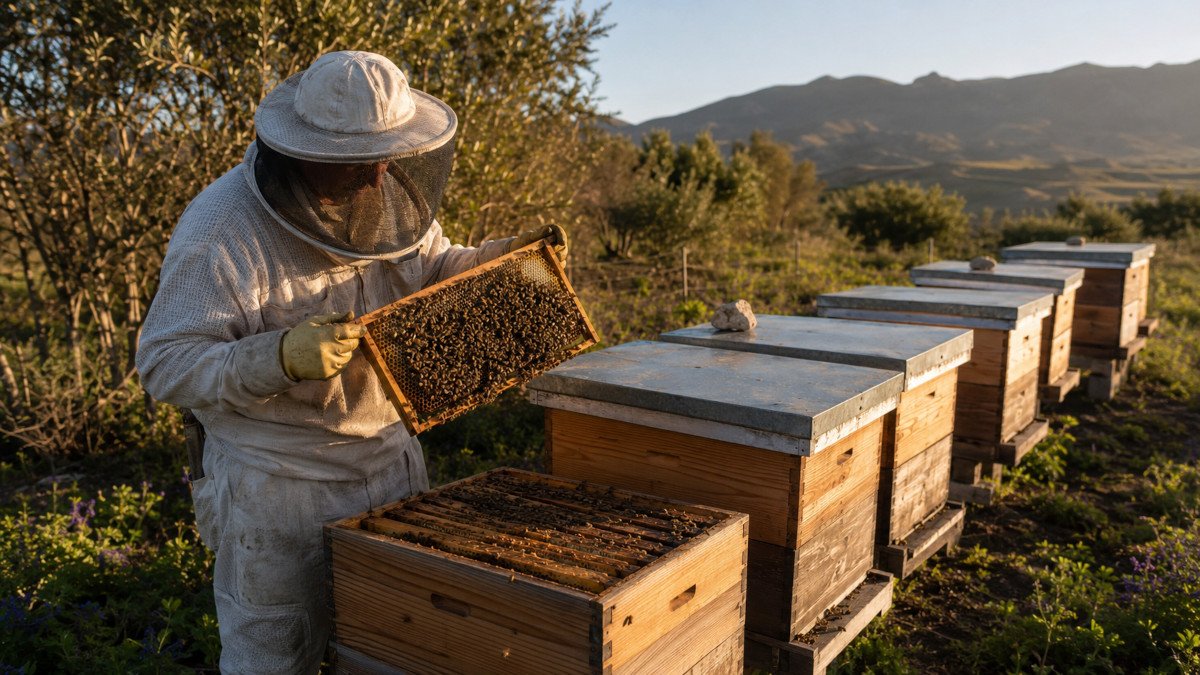
How Honeybee Colonies Coordinate Behaviour Honeybee colonies operate as highly organised units. Each bee contributes to the survival of the colony through structured roles and sophisticated communication. This coordination underpins every collective activity, including defence, foraging, brood care and environmental adaptation. Understanding how colonies work together helps explain why bees sometimes sting — not as … Read more

VARROA CONTROL FOR BEEKEEPERS

Varroa Control Strategies for South African Beekeepers Varroa mites (Varroa destructor) are among the most serious threats to honeybee colonies worldwide. In South Africa, these parasites are a constant challenge for beekeepers, particularly during the seasonal shifts when colonies are vulnerable. Understanding how varroa mites affect bees, how to identify infestations, and what management strategies … Read more

BEST FLOWERING PLANTS FOR BEES

Best Winter-Flowering Plants for Bees. Protea

Best Winter-Flowering Plants for Bees in South Africa Winter in South Africa (April–July) brings fewer flowers, but certain plants provide critical nectar and pollen. Knowing which species support bees helps beekeepers position colonies and improve survival. Top Winter Forage Plants 1. Aloes (Aloe ferox, Aloe arborescens) 2. Eucalyptus 3. Wild dagga (Leonotis leonurus) 4. Fynbos … Read more

HOW TO FEED BEES SYRUP

Sugar feeding bees

How to Feed Bees: Syrup, Fondant, and Pollen Substitutes Explained Feeding bees is a key management practice in South Africa, especially in winter when natural forage is limited. Knowing when and how to feed ensures colonies survive and thrive. Sugar Syrup Fondant and Dry Sugar Pollen Substitutes Feeding in South African Seasons Risks of Poor … Read more

WHY BEES STING

Why bees sting

Bee Sting Behaviour Explained Bee stings are a defensive mechanism, not a random act of aggression. Understanding why bees sting, what happens after a sting, and how humans react helps beekeepers, outdoor workers, and nature enthusiasts stay safe around hives in South Africa. Why Bees Sting The primary motivation for stinging is defence. Honeybees sting … Read more

WHY BEES CANNOT BE SOCIOPATHS

Why bees can't be sociopaths

Why Bees Cannot Be Sociopaths Bees are often compared to humans because of their complex societies, teamwork, and communication. But when we use human terms like “sociopath” to describe animal or insect behaviour, it can create confusion. Sociopathy is a human psychological condition, and bees cannot be sociopaths. Here’s why. What Is Sociopathy? The terms … Read more

INSECTICIDES AND HOW THEY KILL BEES

Insecticides kill bees

Insecticides in South Africa and How They Kill Bees Farmers in South Africa use insecticides to protect crops from destructive pests. While these chemicals improve yields, they also pose a major risk to bees, which are essential pollinators for both crops and natural ecosystems. Understanding how insecticides harm bees is critical for sustainable agriculture and … Read more

HUMAN vs HONEY BEE SENSES

Human vs Honeybee Senses

Human vs Honeybee Senses – The Difference Humans and honeybees both rely on senses to survive, but the way these senses work reflects very different needs. Humans are generalist mammals who use senses for social life, safety, and tools. Bees are small insects living in colonies that depend on foraging and hive communication. Human Senses … Read more