WHY DOES HONEY CRYSTALLISE AND IS IT STILL GOOD?

WHY DOES HONEY CRYSTALLISE AND IS IT STILL GOOD?

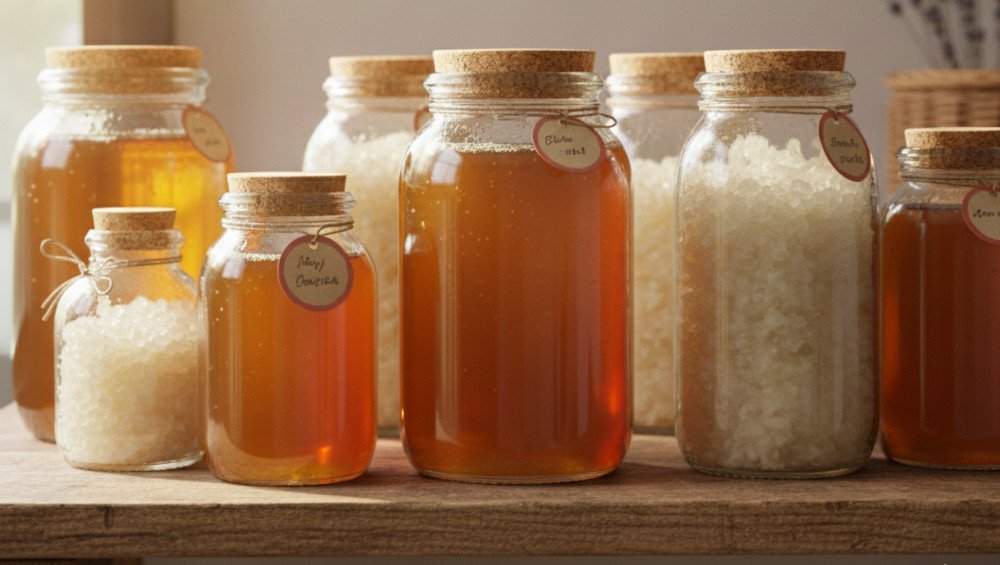
Honey crystallisation is one of the most common reasons people question whether their honey is still safe or real. Many consumers assume crystallised honey has gone bad, been stored incorrectly, or contains added sugar, even though crystallisation is a natural and expected process. This article explains why honey crystallises, what it means for quality and … Read more
CAN HONEY GO BAD OR EXPIRE?

Can honey go bad or expire

Honey expiry and honey shelf life are common concerns for consumers who find old jars in cupboards or notice changes in colour or texture. Honey is often described as a food that does not expire, but this statement needs context. Honey can remain edible for decades or even centuries under the right conditions, yet it … Read more

HONEY ESSENTIALS GUIDE

Honey essentials

Honey is widely used in South African homes for food, home remedies, and general wellness, yet many consumers are uncertain about quality, safety, storage, and daily use. Most online honey information is written for beekeepers or focuses narrowly on recipes or health claims, which leaves everyday questions unanswered. This Honey Essentials hub article is written … Read more

DROOGIE HONEY

Droogie honey

What Is “Droogie” Honey? Origin and Qualities “Droogie” honey (often written Drooge or dróógie) refers to honey made primarily from the nectar of the Drogie bush, botanical name Scutia myrtina. The name is derived from the Afrikaans “droog-my-keel” (“dry my throat”) – a reference to the prickly, bitter berries the plant bears. This honey is … Read more

THREE TYPES OF SOUTH AFRICAN HONEY

Three Types of South African Raw Honey South Africa’s diverse landscapes and climates produce many unique raw honeys. Among them, droogie honey, orange blossom honey, and Namaqua honey stand out for their distinct floral sources, flavours, and uses. This article compares these three honeys, helping consumers, health enthusiasts, and beekeepers understand their characteristics and benefits. … Read more

HOW HONEYBEE COLONIES COORDINATE BEHAVIOUR

How Honeybee Colonies Coordinate Behaviour

How Honeybee Colonies Coordinate Behaviour Honeybee colonies operate as highly organised units. Each bee contributes to the survival of the colony through structured roles and sophisticated communication. This coordination underpins every collective activity, including defence, foraging, brood care and environmental adaptation. Understanding how colonies work together helps explain why bees sometimes sting — not as … Read more

VARROA CONTROL FOR BEEKEEPERS

Varroa Control Strategies for South African Beekeepers Varroa mites (Varroa destructor) are among the most serious threats to honeybee colonies worldwide. In South Africa, these parasites are a constant challenge for beekeepers, particularly during the seasonal shifts when colonies are vulnerable. Understanding how varroa mites affect bees, how to identify infestations, and what management strategies … Read more

BEST FLOWERING PLANTS FOR BEES

Best Winter-Flowering Plants for Bees. Protea

Best Winter-Flowering Plants for Bees in South Africa Winter in South Africa (April–July) brings fewer flowers, but certain plants provide critical nectar and pollen. Knowing which species support bees helps beekeepers position colonies and improve survival. Top Winter Forage Plants 1. Aloes (Aloe ferox, Aloe arborescens) 2. Eucalyptus 3. Wild dagga (Leonotis leonurus) 4. Fynbos … Read more

HOW TO FEED BEES SYRUP

Sugar feeding bees

How to Feed Bees: Syrup, Fondant, and Pollen Substitutes Explained Feeding bees is a key management practice in South Africa, especially in winter when natural forage is limited. Knowing when and how to feed ensures colonies survive and thrive. Sugar Syrup Fondant and Dry Sugar Pollen Substitutes Feeding in South African Seasons Risks of Poor … Read more

WHY BEES STING

Why bees sting

Bee Sting Behaviour Explained Bee stings are a defensive mechanism, not a random act of aggression. Understanding why bees sting, what happens after a sting, and how humans react helps beekeepers, outdoor workers, and nature enthusiasts stay safe around hives in South Africa. Why Bees Sting The primary motivation for stinging is defence. Honeybees sting … Read more