

Honey is widely used in South African homes for food, home remedies, and general wellness, yet many consumers are uncertain about quality, safety, storage, and daily use.
Most online honey information is written for beekeepers or focuses narrowly on recipes or health claims, which leaves everyday questions unanswered. This Honey Essentials hub article is written for consumers who buy, store, eat, and use honey, not those who produce it. It provides a clear overview of what honey is, how to use it safely, how to judge quality, and when to seek more detailed guidance through linked articles.
What Honey Is and Why It Varies
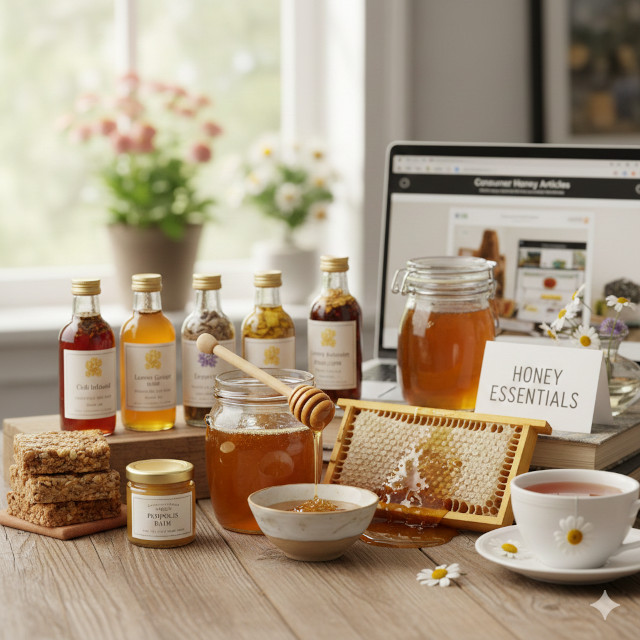
Honey is a natural sugar substance produced by honeybees from plant nectar or honeydew. Its colour, taste, thickness, and aroma vary depending on floral source, season, climate, and handling.
South African honey can range from light and mild to dark and robust due to the country’s wide plant diversity. This natural variation often causes confusion when consumers expect honey to look or taste the same every time.
Honey also changes over time. Crystallisation, separation, and thickening are normal physical changes and not signs of spoilage when honey is properly stored.
- WHY DOES HONEY TASTE DIFFERENT EVERY TIME YOU BUY IT?
- IS HONEY SAFE FOR DIABETICS?
- HOW MUCH HONEY IS SAFE TO EAT PER DAY?
- WHY DOES HONEY CRYSTALLISE AND IS IT STILL GOOD?
- CAN HONEY GO BAD OR EXPIRE?
Everyday Honey Safety Questions
Many consumers want to know whether honey can go bad or become unsafe. Pure honey does not spoil under normal conditions, but contamination with water or poor storage can cause fermentation.
Honey should never be given to infants under one year of age due to the risk of infant botulism. For older children and adults, honey is generally safe when consumed in reasonable amounts.
People with pollen allergies, compromised immune systems, or specific medical conditions may react differently to honey. In these cases, careful introduction and moderation are recommended.
Daily Honey Consumption and Moderation
Honey is often perceived as healthier than refined sugar, but it is still a concentrated source of natural sugars. Moderation is essential, especially for people monitoring blood sugar levels or total carbohydrate intake.
Most healthy adults can include small daily amounts of honey as part of a balanced diet. The exact amount depends on overall diet, activity level, and individual health considerations.
Consumers often ask whether honey is suitable for diabetics. While honey has a lower glycaemic index than some refined sugars, it still raises blood glucose and should be consumed cautiously.
Understanding Raw, Treated, and Processed Honey
Raw honey is honey that has not been heated or heavily filtered after extraction. It may contain pollen, enzymes, and small natural particles that affect texture and appearance.
Processed or treated honey is often heated to improve clarity and shelf appearance. Heating can reduce enzyme activity but does not necessarily make honey unsafe or fake.
The key consumer concern is not whether honey is raw, but whether it is pure and honestly labelled. Understanding labelling terms helps buyers make informed choices.
Why does honey taste different every time you buy it?
How to Judge Honey Quality as a Consumer
Visual tests, water tests, and flame tests are commonly promoted online but are unreliable indicators of purity. The most reliable signs of quality are source transparency, proper labelling, and reputable suppliers.
Crystallised honey is often misidentified as fake honey. In reality, crystallisation is more common in pure honey with higher glucose content. Smell and taste can also provide clues. Pure honey usually has a floral or plant-based aroma rather than a neutral sweetness.
Why does honey crystallise, and is it still good?
Honey Storage and Shelf Life
Honey should be stored in a sealed container at room temperature. Exposure to moisture is the main risk factor that can lead to fermentation. Refrigeration is not recommended as it accelerates crystallisation. Gentle warming in warm water can return crystallised honey to a liquid state without damaging it.
Metal spoons do not destroy honey enzymes during normal use. This is a persistent myth with no practical impact in household conditions.
Common Uses of Honey in South African Homes
Honey is widely used for sweetening tea, baking, and cooking. It is also used in traditional remedies for coughs, sore throats, and digestive discomfort.
Local honeys are often chosen for flavour preference or perceived allergy support. While anecdotal reports exist, scientific evidence for allergy prevention remains limited.
Honey is also used in skincare, wound care, and cosmetic products. Medicinal-grade honey is required for clinical wound treatment and differs from table honey.
How much honey is safe to eat per day?
When to Seek Medical or Professional Advice
Honey should not replace prescribed medical treatment. Persistent symptoms, allergic reactions, or chronic conditions require professional medical advice.
Consumers using honey for therapeutic purposes should rely on evidence-based guidance. This includes understanding the difference between food-grade honey and medical-grade honey.