
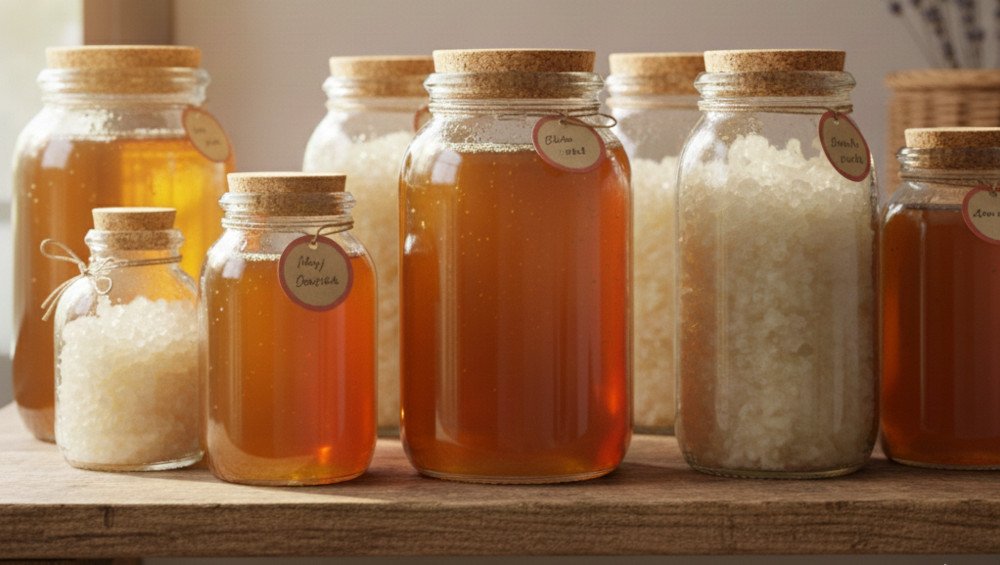
Honey expiry and honey shelf life are common concerns for consumers who find old jars in cupboards or notice changes in colour or texture. Honey is often described as a food that does not expire, but this statement needs context. Honey can remain edible for decades or even centuries under the right conditions, yet it can still change, ferment, or become unsuitable for use if stored incorrectly.
This article explains whether honey can go bad, how long honey lasts, and when honey is no longer safe to eat, using clear consumer-focused explanations rather than beekeeping theory, and is part of the Honey Essentials hub of articles.
Does Honey Expire?
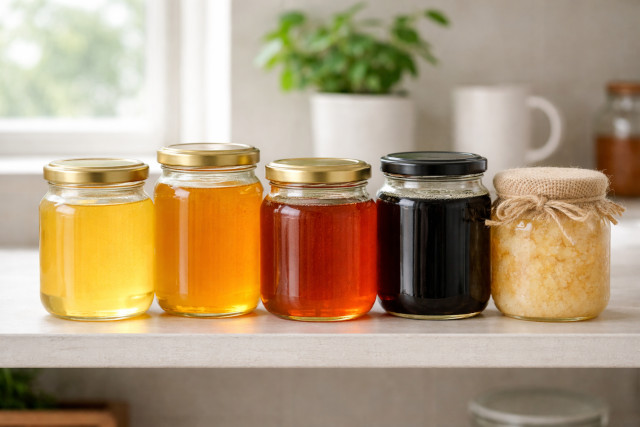
Pure honey does not expire in the same way as most foods. Honey is naturally low in moisture and high in sugar, which creates an environment where bacteria and most microorganisms cannot survive.
Commercial honey sold in South Africa is usually labelled with a “best before” date. This date reflects quality expectations rather than food safety, and it is mainly required for regulatory and retail reasons rather than because honey suddenly becomes unsafe.
The best-before date indicates how long the honey is expected to maintain its colour, aroma, and flavour when stored correctly. It does not mean the honey will spoil after that date.
Why Honey Lasts So Long
Honey’s long shelf life comes from its chemical composition. Natural honey contains very little free water, which prevents microbial growth.
Honey is also acidic, with a pH typically between 3.2 and 4.5. This acidity further limits the survival of bacteria, yeasts, and moulds that normally cause food spoilage.
Bees also add enzymes to nectar during honey production. One of these enzymes produces small amounts of hydrogen peroxide, which has antimicrobial properties that help preserve honey over time.
Can Honey Actually Go Bad?
Honey can go bad under specific conditions. The most common issue is fermentation rather than spoilage in the traditional sense.
Fermentation happens when honey absorbs moisture from the air or is harvested before it is fully ripened by the bees. When moisture levels rise above about 18–20 percent, naturally occurring yeasts can become active.
Fermented honey may develop bubbles, foam, or a sour smell. The taste often becomes sharp or alcoholic, which is a clear sign that the honey is no longer suitable for normal consumption.
Signs That Honey Has Gone Bad
Most honey changes are harmless, but some signs indicate a problem. Knowing the difference helps avoid unnecessary waste while staying safe.
Crystallisation is not a sign of spoilage. Honey that becomes thick, grainy, or solid has simply crystallised, which is a natural process related to glucose content and temperature.
Fermentation is a concern. If honey smells sour, produces gas, foams at the surface, or tastes fermented, it should not be eaten as table honey.
Mould growth is rare but possible if honey is heavily contaminated with water. Visible mould, especially on the surface, means the honey should be discarded.
Is Crystallised Honey Still Safe to Eat?
Crystallised honey is safe and natural. Many South African raw honeys crystallise quickly due to their floral source, particularly fynbos, eucalyptus, and certain bushveld nectars.
Crystallisation happens when glucose separates from water and forms crystals. This does not affect safety, nutrition, or authenticity.
Crystallised honey can be gently re-liquefied by placing the jar in warm water. Boiling water or microwaving should be avoided because excessive heat can damage enzymes and flavour compounds.
Does Raw Honey Go Bad Faster Than Processed Honey?
Raw honey and processed honey have similar shelf-life potential, but raw honey may crystallise faster. This faster crystallisation often leads consumers to believe raw honey has spoiled when it has not.
Processed honey is usually heated and filtered, which slows crystallisation and creates a uniform appearance. This improves shelf stability in retail environments but does not mean raw honey is unsafe.
Raw honey can ferment if it absorbs moisture after opening. Keeping the lid tightly closed and using dry utensils helps prevent this.
How Storage Affects Honey Shelf Life
Proper storage is the most important factor in honey longevity. Honey should be stored in a tightly sealed container to prevent moisture absorption.
Room temperature storage is ideal. Refrigeration speeds up crystallisation and is not recommended for everyday use.
Honey should be kept away from direct sunlight and heat sources. Light and heat can darken honey and reduce aroma over time, although this does not automatically make it unsafe.
Glass jars are preferred for long-term storage. Plastic containers are common and generally safe, but they may allow slow moisture transfer over very long periods.
What About Very Old Honey?
Archaeologists have found honey in ancient tombs that was still edible after thousands of years. This is possible only because the honey was sealed and protected from moisture.
At home, honey that is many years old can still be safe if it smells normal and shows no signs of fermentation or contamination. Changes in colour or thickness alone do not mean the honey is unsafe.
If there is any doubt about fermentation or off-smells, it is safer to discard the honey rather than attempt to salvage it.
Is Fermented Honey Dangerous?
Fermented honey is not usually dangerous, but it is not suitable for normal consumption. The fermentation process changes the sugar profile and taste.
Some fermented honey is intentionally used to make mead, but this requires controlled fermentation. Uncontrolled fermentation in a kitchen cupboard is unpredictable and not recommended for consumption.
Infants under one year should never be given honey of any kind, whether fresh, old, or fermented, due to the risk of botulism spores.
Honey Safety Summary for Consumers
Honey does not expire in the traditional sense, but it can degrade or ferment if exposed to moisture. Crystallisation is normal and safe, while fermentation is the main sign that honey should not be eaten.
Proper storage keeps honey usable for many years. A sealed jar, dry utensils, and room temperature storage are usually sufficient.
For consumers, the key distinction is between visual changes that are harmless and sensory changes that indicate fermentation or contamination.