

Three Types of South African Raw Honey
South Africa’s diverse landscapes and climates produce many unique raw honeys. Among them, droogie honey, orange blossom honey, and Namaqua honey stand out for their distinct floral sources, flavours, and uses. This article compares these three honeys, helping consumers, health enthusiasts, and beekeepers understand their characteristics and benefits.
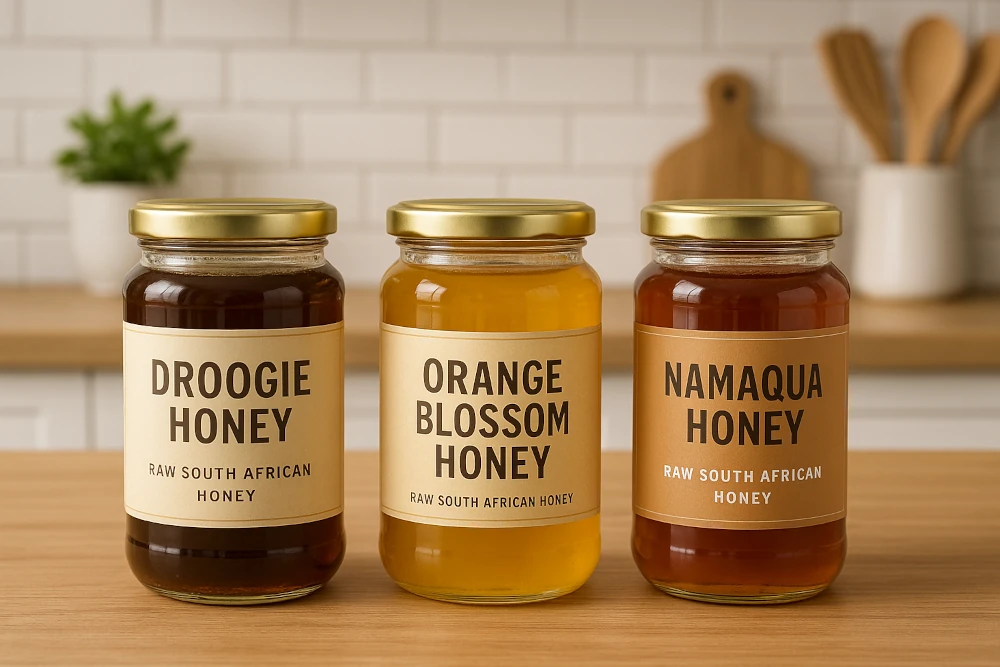
Droogie Honey
Origin:
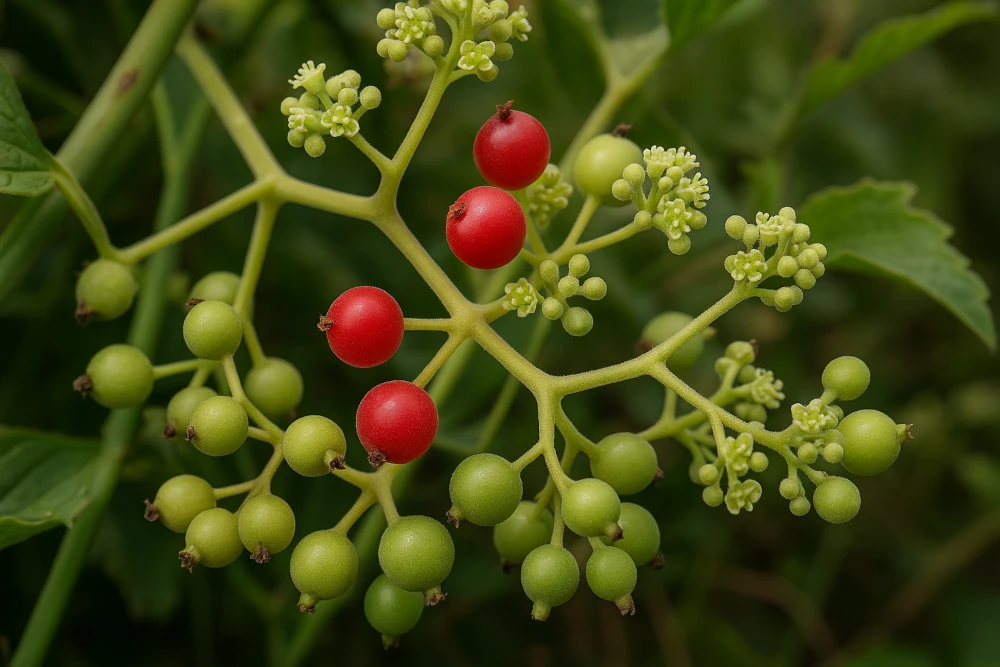
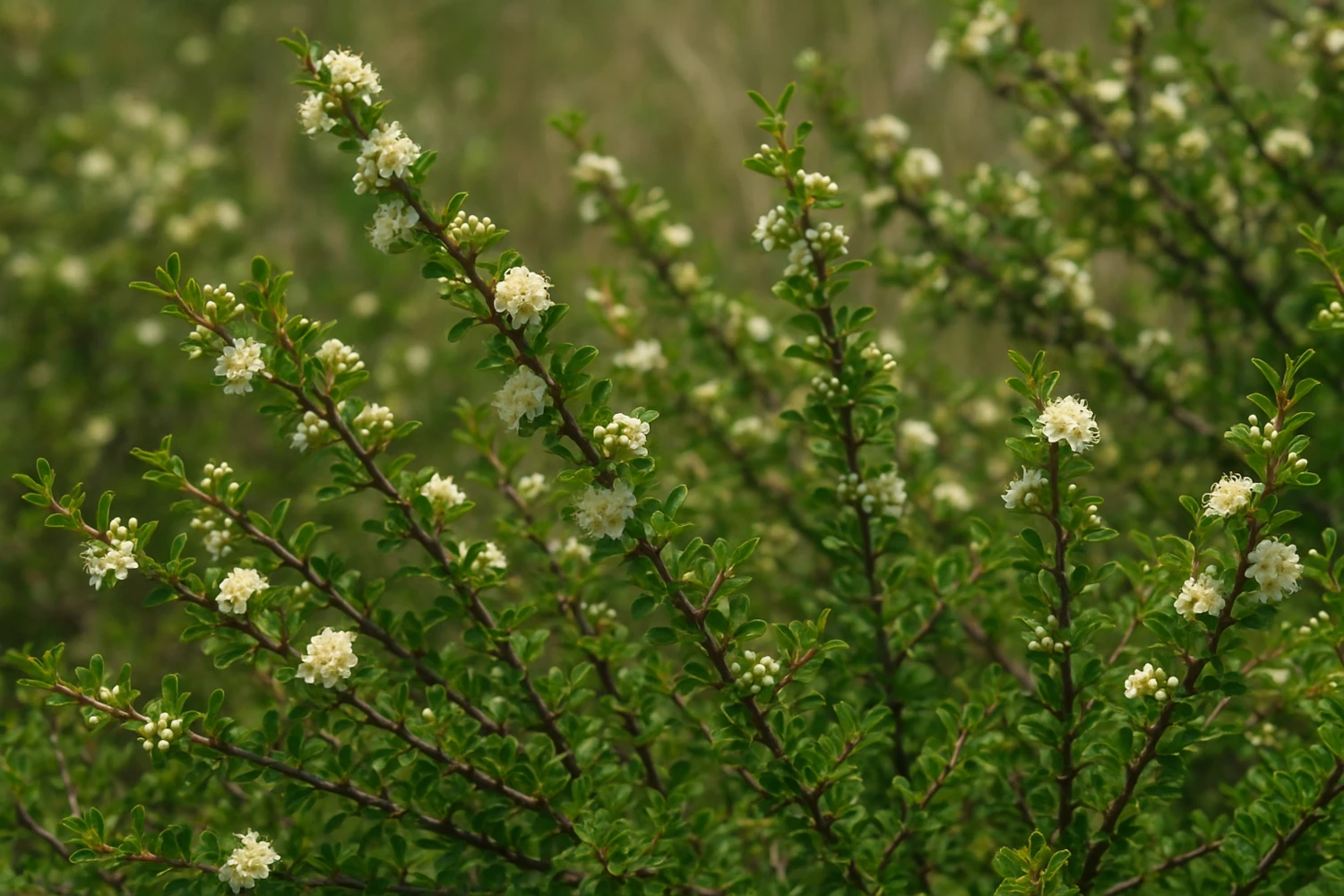
Droogie honey is produced in the Eastern Cape and parts of the Karoo. The name “droogie” refers to the dry, rugged vegetation where the bees forage. The main nectar sources are hardy shrubs and wildflowers adapted to semi-arid conditions.
Flavour profile:
Droogie honey is typically dark amber with earthy and herbal undertones. It often has a slightly smoky aftertaste due to the mix of indigenous Karoo plants.
Nutritional and health notes:
- Rich in antioxidants, particularly polyphenols from dryland flora.
- Known for antibacterial properties, making it suitable for sore throats and wound care.
- Often crystallises quickly because of high glucose levels.
Uses:
- Common in traditional remedies in rural areas.
- Adds depth to marinades for game meat.
- Favoured by locals who prefer strong, less sweet honeys.
Orange Blossom Honey
Origin:
Orange blossom honey comes from citrus-producing regions such as Limpopo, Mpumalanga, and parts of the Western Cape. Bees forage mainly on orange tree blossoms during the flowering season in spring.
Flavour profile:
Light golden in colour with a floral, citrus-like aroma. It is mild and sweet, with subtle fruity notes.
Nutritional and health notes:
- High in natural sugars, providing a quick energy source.
- Contains traces of vitamin C and flavonoids from citrus flowers.
- Low pollen levels compared to multi-floral honeys, making it less allergenic for some people.
Uses:
- Popular as a table honey for tea, coffee, and desserts.
- Enhances baked goods, especially light pastries and cakes.
- Export-friendly because of its consistent flavour and clarity.
Namaqua Honey
Origin:
Namaqua honey comes from the Namaqualand region in the Northern Cape, an area famous for its spring wildflower displays. Bees forage on seasonal flowers such as daisies, succulents, and fynbos plants.
Flavour profile:
Colour ranges from pale amber to reddish-gold. The taste is floral and complex, often changing slightly from year to year depending on rainfall and flower bloom cycles.
Nutritional and health notes:
- Contains diverse pollen grains, giving it higher potential for supporting local allergy resistance.
- Known for anti-inflammatory and digestive benefits.
- Limited production due to reliance on rainfall, making it more exclusive.
Uses:
- Consumed raw to enjoy its delicate floral tones.
- Used in craft products such as honey-infused beers and meads.
- A speciality honey sought by tourists and collectors.
Comparison of Droogie, Orange Blossom, and Namaqua Honeys
| Feature | Droogie Honey | Orange Blossom Honey | Namaqua Honey |
|---|---|---|---|
| Primary Source | Karoo shrubs and dryland flora | Citrus blossoms (orange trees) | Namaqualand wildflowers |
| Colour | Dark amber | Light golden | Pale amber to reddish-gold |
| Flavour | Earthy, herbal, smoky | Mild, sweet, citrus-floral | Floral, complex, variable |
| Crystallisation | Fast | Slow | Medium |
| Availability | Regional, limited exports | Widely available, exported | Seasonal, limited quantity |
| Best Uses | Medicinal, game marinades | Everyday sweetener, desserts | Raw consumption, craft drinks |
Conclusion
South African raw honeys reflect the country’s biodiversity.
Droogie honey offers a robust, earthy taste linked to the Karoo landscapes. Orange blossom honey delivers a light, sweet flavour with citrus notes, making it a household staple and export favourite. Namaqua honey is prized for its floral complexity and rarity, tied to seasonal wildflower blooms.
Consumers seeking health benefits may choose droogie for antioxidants, orange blossom for gentle sweetness, and Namaqua for variety and digestive support. Beekeepers and sellers can position these honeys not just as sweeteners but as regionally unique products tied to South African flora.
This article is part of the Honey Essentials article hub.