

Best Winter-Flowering Plants for Bees in South Africa
Winter in South Africa (April–July) brings fewer flowers, but certain plants provide critical nectar and pollen. Knowing which species support bees helps beekeepers position colonies and improve survival.
Top Winter Forage Plants
1. Aloes (Aloe ferox, Aloe arborescens)
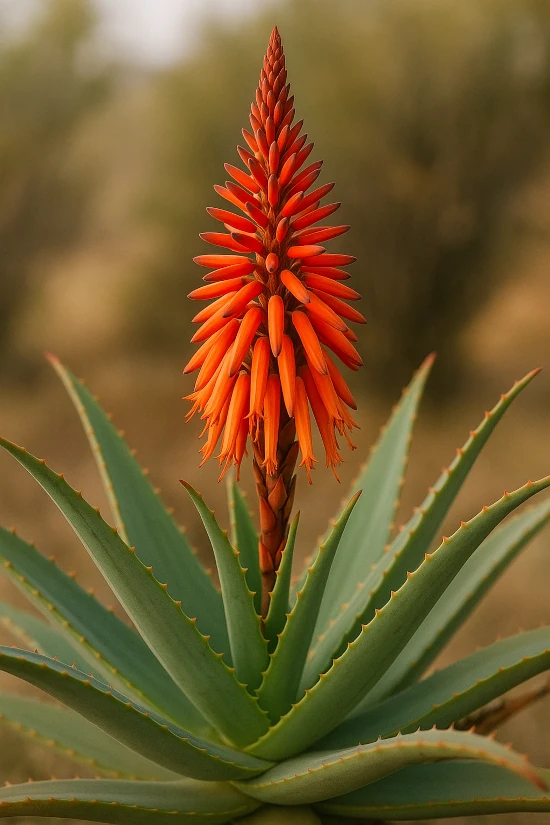
- Flower in mid-winter.
- Rich in nectar and pollen.
2. Eucalyptus
- Multiple species bloom during winter in coastal and eastern regions.
- Support large apiary operations.
3. Wild dagga (Leonotis leonurus)
- Flowers in autumn–winter.
- Nectar-rich and drought-hardy.
4. Fynbos species
- Proteas, ericas, and other fynbos bloom in winter rainfall areas.
- Bloom June–July.
- Provide nectar and pollen.
Why Winter Forage Matters
- Reduces stress and the need for heavy feeding.
- Supports healthy winter bees.
- Prepares colonies for spring expansion.
See more about feeding bees with syrup, fondant, and pollen substitutes when natural forage is insufficient.
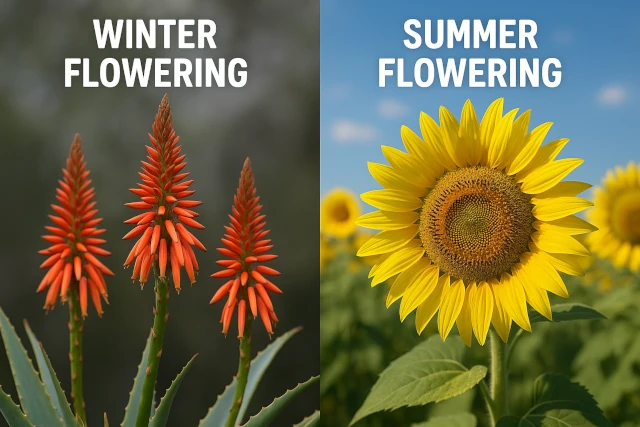
Differences Between Winter and Summer-flowering plants
Winter and summer flowering plants differ mainly in how they adapt to temperature, daylight, and pollinator availability.
🌱 1. Growth and Bloom Triggers
- Winter flowering plants
- Triggered by cooler temperatures and shorter days.
- Some rely on vernalisation (a period of cold that stimulates flowering).
- Many store energy in bulbs, tubers, or woody stems to survive frost.
- Summer flowering plants
- Triggered by warmth and longer daylight hours.
- Growth is more rapid due to higher light intensity.
- Often annuals or perennials that use quick growth and flowering to complete their cycle.
🌡️ 2. Temperature Adaptations
- Winter bloomers
- Flowers are often waxy, thicker, or smaller to resist frost.
- Some release fragrance more strongly in cold air to attract limited pollinators.
- Summer bloomers
- Large, colourful petals designed to stand out in bright sunlight.
- Heat-tolerant leaves, sometimes with fine hairs or silvery coatings to reduce water loss.
🐝 3. Pollination Strategies
- Winter flowering plants
- Bloom when fewer pollinators are active.
- Often rely on wind, self-pollination, or specific insects that fly in cooler weather (e.g., honeybees on warm winter days, moths, beetles).
- Summer flowering plants
- Wide range of active pollinators (bees, butterflies, birds).
- Showier flowers and nectar rewards are common.
💧 4. Water Use
- Winter plants
- Grow when evaporation rates are lower.
- Usually less drought-tolerant, but some handle frost and wet soils.
- Summer plants
- Adapted to drought or irregular rainfall.
- Often have deep roots or water-storage tissues.
🌍 5. Regional Example (South Africa)
- Winter flowering examples: Aloes, wild dagga (Leonotis), proteas in fynbos. These provide nectar when bees and birds struggle to find food.
- Summer flowering examples: Sunflowers, hibiscus, jacarandas, cosmos. They thrive in long sunny days with abundant insect life.
✅ Summary:
- Winter flowering plants are adapted to shorter days, cold tolerance, and limited pollinators.
- Summer flowering plants are adapted to long days, heat, and abundant pollinators.
Conclusion
Strategic hive placement near winter-flowering plants keeps colonies strong. These plants are the backbone of winter beekeeping in South Africa, and bees can contribute to the expansion of flowers in the country with many additional benefits.