

How Do Bees Make Pollen Bread?
Q: How do bees make pollen bread?
A: Bees make pollen bread by mixing collected pollen with nectar or honey and enzymes inside the hive. This mixture is packed into honeycomb cells, where it undergoes a mild fermentation process. The result is a protein-rich, preserved substance that feeds young larvae and supports adult bee health.
What Is Pollen Bread?
Pollen bread, also called bee bread, is the primary protein source in a bee colony.
It is not the same as raw pollen.
Bee bread is:
- Fermented
- Nutrient-dense
- More digestible than raw pollen
It is essential for:
- Larval development
- Nurse bee gland function
- Colony immune health
Unlike honey, pollen bread is not sealed with wax. It is stored in open cells, used continuously, and replenished based on the brood-rearing cycle.
Why Do Bees Make Pollen Bread?
Bees make pollen bread to preserve pollen and make it bioavailable.
| Purpose | Description |
|---|---|
| Protein for brood | Fed to larvae as their main food source |
| Nutrition for nurse bees | Supports royal jelly production and gland development |
| Preservation | Fermentation prevents spoilage |
| Immune support | Contains beneficial microbes and natural antibiotics |
Raw pollen spoils quickly. By fermenting it, bees turn it into a longer-lasting, probiotic food.

How Is Pollen Collected?
Forager bees collect pollen grains from flower anthers:
- Pollen sticks to their body hairs
- Bees brush it into pellets using their legs
- Pellets are packed into pollen baskets (corbiculae) on their hind legs
- Each load may weigh 8–20 mg
The bee returns to the hive with full baskets, ready to offload and help produce pollen bread.
Step-by-Step: How Bees Make Pollen Bread
1. Collection and Delivery
- A returning bee unloads pollen into empty comb cells near the brood nest.
- Multiple bees may contribute to a single cell, layering different pollen types.
2. Mixing with Nectar and Enzymes
- Nurse bees or other house bees add:
- Nectar or honey (carbohydrates)
- Saliva enzymes (including invertase and amylase)
- This blend creates a paste that:
- Starts fermentation
- Increases shelf life
- Enhances digestibility
3. Packing and Light Sealing
- The pollen mixture is compacted tightly inside the cell.
- Some bees may lightly seal the top with a thin drop of honey.
- The moisture level and acidity promote lactic acid fermentation, similar to how yoghurt is made.
4. Fermentation
- Bee bread ferments naturally over a few days.
- Beneficial bacteria and yeasts break down tough pollen walls.
- This process:
- Preserves the proteins
- Creates amino acids and vitamins
- Inhibits fungal and bacterial growth
Visual Guide: Bee Bread in the Hive
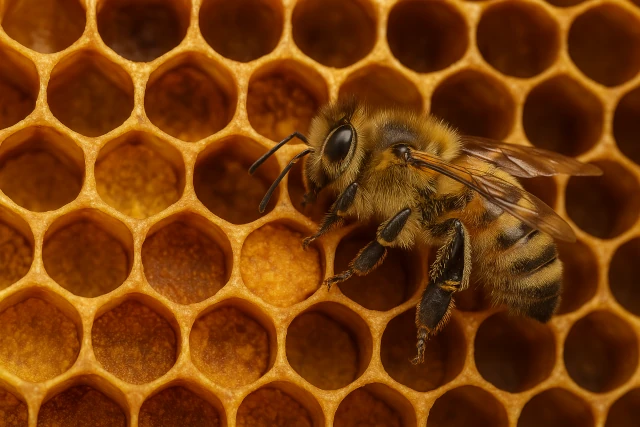
Each cell contains layers of different-coloured bee bread depending on the floral sources. The variation shows the colony’s diverse diet.
Composition of Pollen Bread
| Nutrient | Percentage (approximate) |
|---|---|
| Protein | 20–25% |
| Carbohydrates | 20–30% |
| Lipids | 1–8% |
| Vitamins (B complex, C, E) | Trace |
| Minerals (calcium, magnesium, zinc) | Trace |
| Enzymes and microbes | Variable |
The final nutritional value depends on the original pollen type and the microbial diversity in the hive.
Who Eats Pollen Bread?
| Bee Type | Pollen Bread Role |
|---|---|
| Larvae | Main source of protein from day 4 onward |
| Nurse bees | Fuel for hypopharyngeal gland development (royal jelly production) |
| Young workers | Builds strength and immunity |
| Drones | Supports testicular and muscle development |
Queens do not eat pollen bread. They are fed royal jelly exclusively.
How Is Bee Bread Different From Pollen?
| Feature | Raw Pollen | Bee Bread |
|---|---|---|
| State | Dry and perishable | Fermented and preserved |
| Digestibility | Poor | High |
| Shelf life | A few days | Several weeks |
| Enzyme activity | Minimal | High |
| Nutritional availability | Lower | Higher |
| Purpose | Transported from flower | Stored as colony food |
Can Humans Eat Bee Bread?
Yes. Bee bread is sold as a natural dietary supplement, especially in:
- Capsules or granules
- Powders added to smoothies or yoghurt
- Natural probiotic blends
Health claims include:
- Immune system support
- Increased energy
- Allergy resistance
- Gut health improvement
However, scientific backing is still limited, and allergic reactions are possible, especially in those sensitive to bee products.
How Do Beekeepers Collect Bee Bread?
Beekeepers can collect bee bread by:
- Freezing comb frames and scraping out the contents
- Using pollen traps for raw pollen, then fermenting it manually
- Carefully removing full comb cells for direct sale
Because it is stored in open brood frames, overharvesting may harm the colony by depriving it of protein.
Bee Bread FAQs
Q: Is bee bread the same as pollen?
A: No. Bee bread is fermented pollen mixed with nectar and enzymes. It is more digestible and nutritious.
Q: How long does bee bread last in the hive?
A: Bee bread can last several weeks, depending on hive temperature and humidity.
Q: Why is bee bread different colours?
A: The colour depends on the type of flowers visited. Different pollen types create distinct colours.
Q: What do bees use bee bread for?
A: Bee bread feeds larvae, nurse bees, and young adults. It’s the colony’s main protein source.
Q: Can humans ferment their own bee bread?
A: Yes, by mixing fresh pollen with honey and storing it under controlled humidity, but it’s difficult to replicate hive conditions exactly.
Why Understanding Pollen Bread Matters
Bee bread is the unsung nutrient engine of the colony. Without it, bees cannot raise new brood, produce royal jelly, or maintain immune health. It highlights the deep complexity of bee nutrition and the importance of pollen diversity in local ecosystems.
For beekeepers, it’s a critical indicator of hive health and pollen availability. For consumers, it offers insight into one of nature’s most efficient, natural fermentation systems.
South African pollen bread varies in colour and nutritional content depending on the season and local flora – sunflower, canola, bluegum, and wild flowering shrubs contribute to a diverse protein mix, particularly in the Highveld and Swartland regions.
🐝 Explore More in the “How Bees Make…” Series